Electrical Lamination Services

Industries and Applications for Electrical Laminations

Electrical laminations have diverse applications across numerous industries where electrical equipment and machinery are essential. Some of the businesses that may benefit from electrical laminations include:

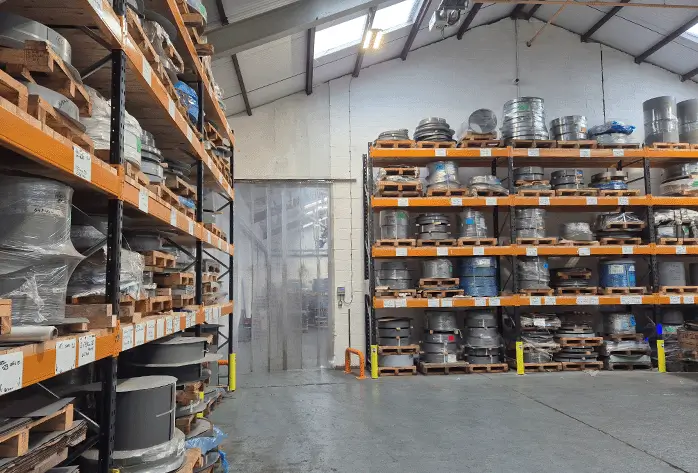
Cotmor has supplied OEM and First Tier customers in the metal pressings industry for over 70 years and can now offer Electrical laminations and cut coils after acquiring the company formerly known as Redlaw Shearing. From our extensive 15000 sq ft manufacturing and stockholding facility here in Brierley Hill.

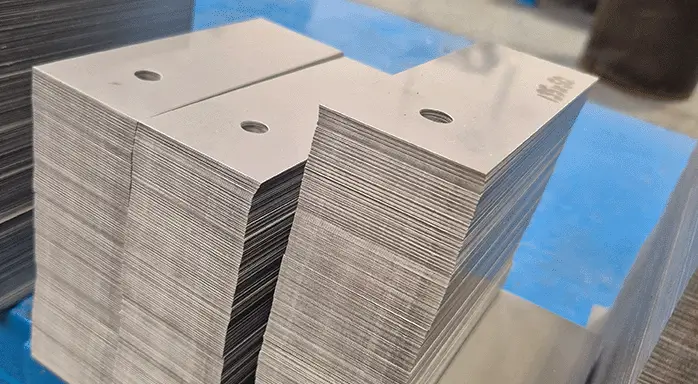
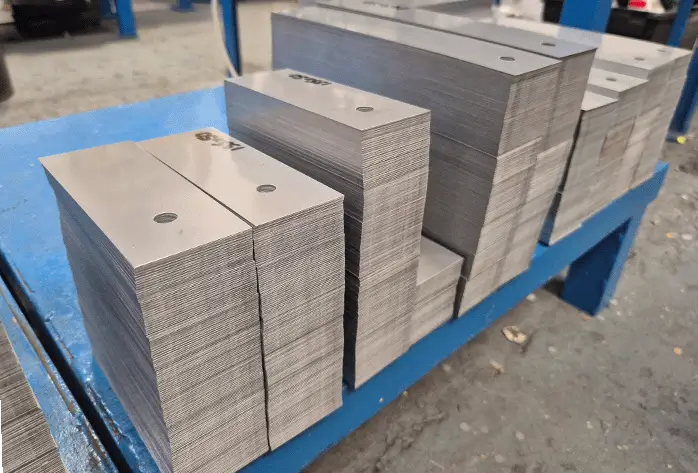
We offer a fast turnaround in grain and non-grain-oriented electrical steels ranging from 0.23mm, 0.30mm – 0.35mm thicknesses. We understand the importance of supplying high-quality laminations with a quick turnaround at a competitive price. Our quality standards are maintained under ISO 9001.

Any enquiries, large or small, will receive our immediate attention. Email sales@redlawelectricallaminations.co.uk or sales@cotmor.co.uk
Lead is commonly used in the electrical and electronics industry in solder, lead-acid batteries, electronic components, cable sheathing and in the glass of cathode-ray tubes.

Lead is commonly used in the electrical and electronics industry in solder, lead-acid batteries, electronic components, cable sheathing and in the glass of cathode-ray tubes.

Lead is commonly used in the electrical and electronics industry in solder, lead-acid batteries, electronic components, cable sheathing and in the glass of cathode-ray tubes.

Lead is commonly used in the electrical and electronics industry in solder, lead-acid batteries, electronic components, cable sheathing and in the glass of cathode-ray tubes.

Lead is commonly used in the electrical and electronics industry in solder, lead-acid batteries, electronic components, cable sheathing and in the glass of cathode-ray tubes.

Lead is commonly used in the electrical and electronics industry in solder, lead-acid batteries, electronic components, cable sheathing and in the glass of cathode-ray tubes.

Lead is commonly used in the electrical and electronics industry in solder, lead-acid batteries, electronic components, cable sheathing and in the glass of cathode-ray tubes.

Lead is commonly used in the electrical and electronics industry in solder, lead-acid batteries, electronic components, cable sheathing and in the glass of cathode-ray tubes.

Electrical Lamination Services

At Cotmoor Tool and Presswork], we specialise in electrical lamination services designed to enhance the efficiency, reliability and safety of key electrical equipment. With decades of industry experience and a strong reputation as trusted motor lamination manufacturers, we support a wide range of sectors, including transformer manufacturers, power generation and industrial manufacturing.
Our precision-crafted motor laminations and electrical steel laminations are manufactured using high-grade electrical steel sheets and electrically insulating materials to minimise core losses, improve magnetic performance and provide long-lasting operational integrity. Whether you're producing transformers, electric motors or generators, our solutions help optimise performance while reducing heat and energy waste.
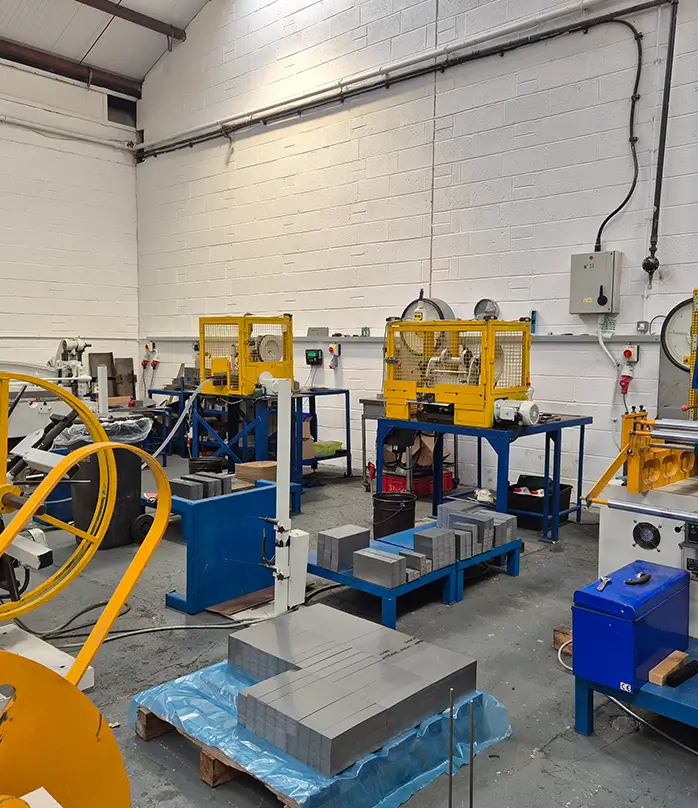
As industry specialists in electrical lamination and contract manufacturing, we offer both custom and high-volume production runs, tailored to your project specifications. Our quality assurance processes, combined with advanced machinery and skilled technicians, mean that every product meets stringent industry standards for durability and performance.


Tell us your project — we’ll guide you with The right solution, cost, and timeline.

Electrical Lamination

Electrical laminations are thin layers of electrically insulating material, typically made of materials like silicon steel or other specialised alloys, designed to reduce energy losses in electrical equipment caused by eddy currents. These unwanted currents are generated in the core material by changing magnetic fields.
Energy losses can lead to decreased efficiency, overheating, and harm the performance of electrical devices like transformers, motors, and generators. Opting for electrical lamination helps optimise energy efficiency, maintain stability, and extend the lifespan of electrical devices.
As industry specialists in electrical lamination and contract manufacturing, we offer both custom and high-volume production runs, tailored to your project specifications. Our quality assurance processes, combined with advanced machinery and skilled technicians, mean that every product meets stringent industry standards for durability and performance.


The Process of Creating and Using Electrical Laminations

Electrical laminations achieve their purpose by dividing the core material into thin, insulated layers. Each layer is coated with an insulating varnish or oxide layer to enhance insulation and protect it from corrosion. Once coated, layers are stacked and securely bound to form the core of the electrical device, such as the core of a transformer or the stator of a generator. This design limits eddy currents, minimising energy losses and ensuring high efficiency.
In the UK, the manufacturing process and use of electrical laminations must be carried out in compliance with strict standards and regulations to ensure electrical safety and efficiency. Such standards include requirements for material composition, thickness, insulation properties, and reliable performance.

Let’s Collaborate

Explore our precision tooling solutions by Calling Us Today

Founded in 1953, we are a trusted metal pressing manufacturer based in the West Midlands. As a family-run business, our long-serving team ensures consistent, high-quality service across all projects.
Let's Connect

© 2025. The content on this website is owned by us and our licensors. Do not copy any content (including images) without our consent.