
Whilst progressive stamping dominates headlines in high-volume manufacturing discussions, single-stage tooling quietly powers countless successful production runs across British industry. At Cotmor Tool and Presswork, we recognise that not every project requires—or benefits from—the complexity of progressive dies. Sometimes, the smartest manufacturing choice is also the simplest one.
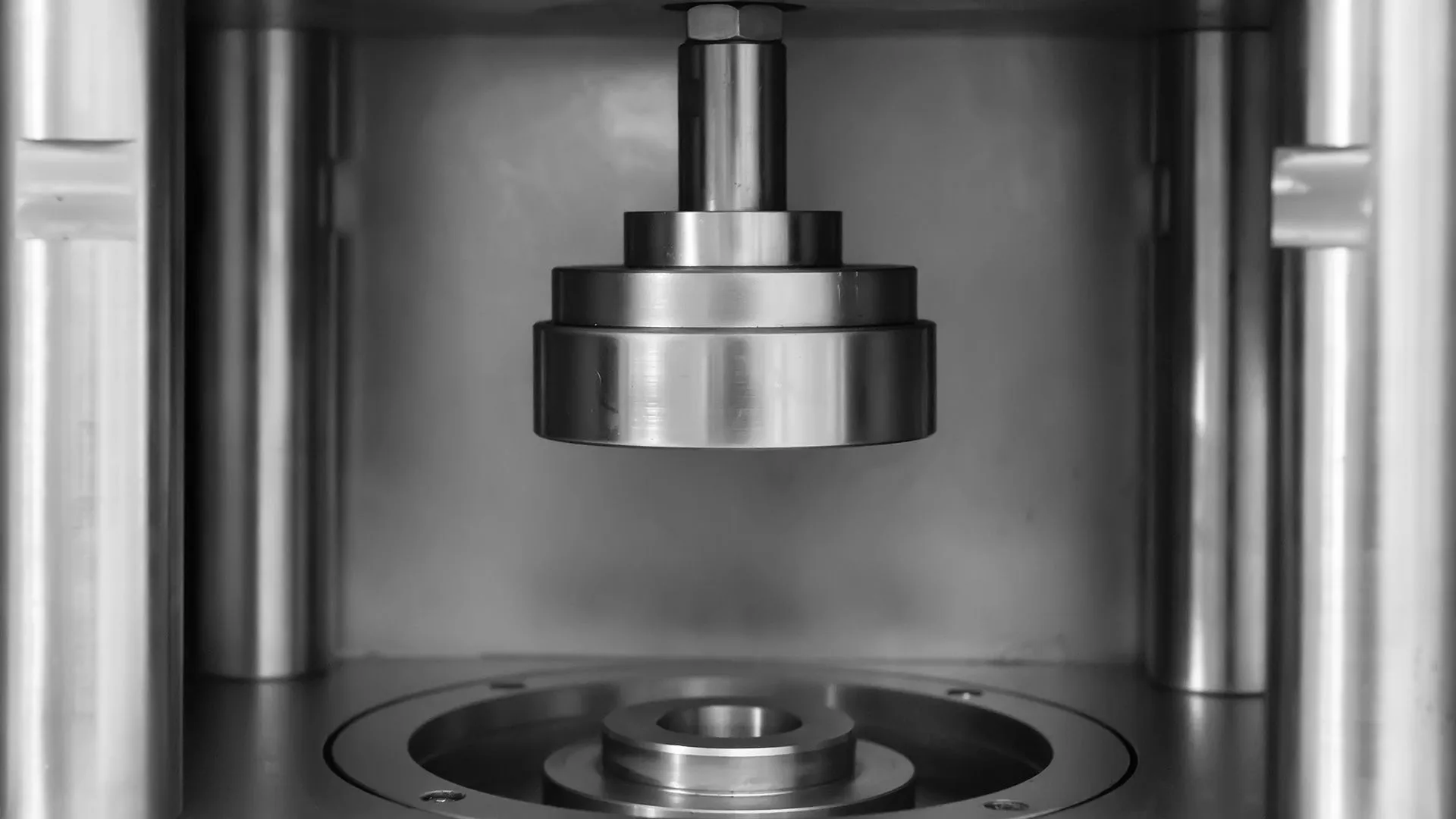
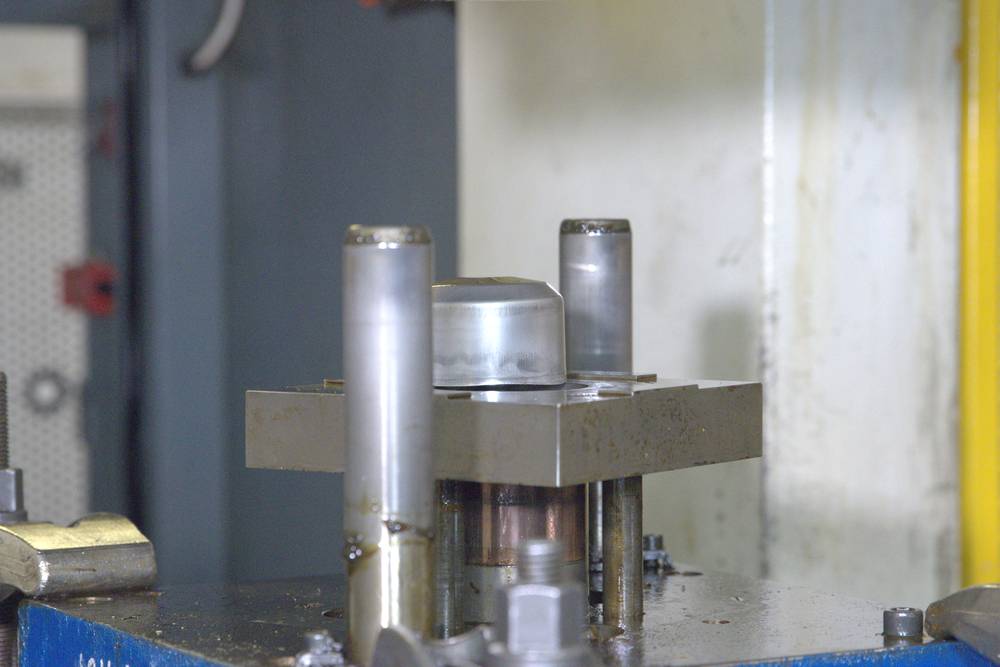
Single-stage tooling, also called single-operation tooling, performs one specific operation on a workpiece with each press stroke. Unlike progressive dies that execute multiple operations sequentially, a single-stage die focuses on doing one thing exceptionally well—whether that’s blanking, piercing, forming, bending, or coining.
For components requiring multiple operations, manufacturers either design separate dies for each step or manually reposition the workpiece between operations. Whilst this might sound less efficient than progressive stamping, single-stage tooling offers distinct advantages that make it the optimal choice for many applications.
Lower Tooling Investment
Single-stage dies are considerably less expensive to design and manufacture than progressive tooling. The simpler construction requires fewer components, less complex engineering, and shorter manufacturing times. For projects with modest production volumes, this reduced upfront investment can mean the difference between a profitable project and one that never gets off the ground.
Ideal for Prototype and Development Work
When you’re still refining your design, single-stage tooling provides the flexibility to test concepts without committing to expensive progressive dies. Modifications and adjustments are straightforward and affordable, allowing you to iterate quickly based on real-world testing and feedback.
Perfect for Small to Medium Production Runs
If your production requirement sits between a few hundred and several thousand pieces, single-stage tooling typically offers the best balance of cost and efficiency. The break-even point where progressive tooling becomes more economical usually starts around 50,000 pieces, though this varies depending on component complexity.
Accommodating Larger Components
Single-stage presses can handle larger workpieces than many progressive die setups. If your component dimensions push the boundaries of standard progressive tooling capabilities, single-stage operations may be your only practical option.
Faster Time to Production
Because single-stage dies are simpler to design and manufacture, you can move from approved drawings to production parts more quickly. When time-to-market is critical, this speed advantage can be invaluable.
Single-stage tooling excels at operations that progressive dies handle less effectively:
Deep Drawing: Complex drawn components often require dedicated single-stage dies to achieve the necessary depth and detail without material failure.
Heavy Forming: Operations requiring substantial tonnage may exceed progressive die capabilities, making single-stage forming the better choice.
Secondary Operations: Adding features to components after initial forming—such as additional holes, embossing, or specialised bends—is often more practical with single-stage tooling.
Mixed Materials: When working with various material types or thicknesses, separate single-stage dies offer more flexibility than committing to a single progressive die setup.
Our single-stage tooling services support an impressive range of applications:
At Cotmor, we apply the same rigorous quality standards to single-stage operations as we do to our progressive stamping work. Our ISO 9001:2015 accreditation ensures consistent processes, thorough documentation, and reliable results regardless of production volume or complexity.
Our experienced press operators understand the nuances of single-stage operations, making real-time adjustments to maintain optimal quality throughout production runs. Regular sampling and inspection catch potential issues before they affect your delivery schedule or component quality.
Many clients approach us uncertain whether single-stage or progressive tooling better suits their needs. Our team reviews your specifications, production volumes, timeline, and budget constraints to recommend the most appropriate manufacturing approach.
We’ll identify potential design modifications that could simplify manufacturing, reduce costs, or improve component performance. This collaborative approach has helped countless clients optimise their designs before committing to tooling, avoiding expensive revisions later in the process.
For components requiring multiple operations, we can design complementary single-stage dies that work in sequence. Whilst not as automated as progressive tooling, this approach offers excellent flexibility and cost control. As your production volumes grow, we can transition successful designs to progressive tooling, leveraging insights gained from single-stage production to optimise the progressive die design.
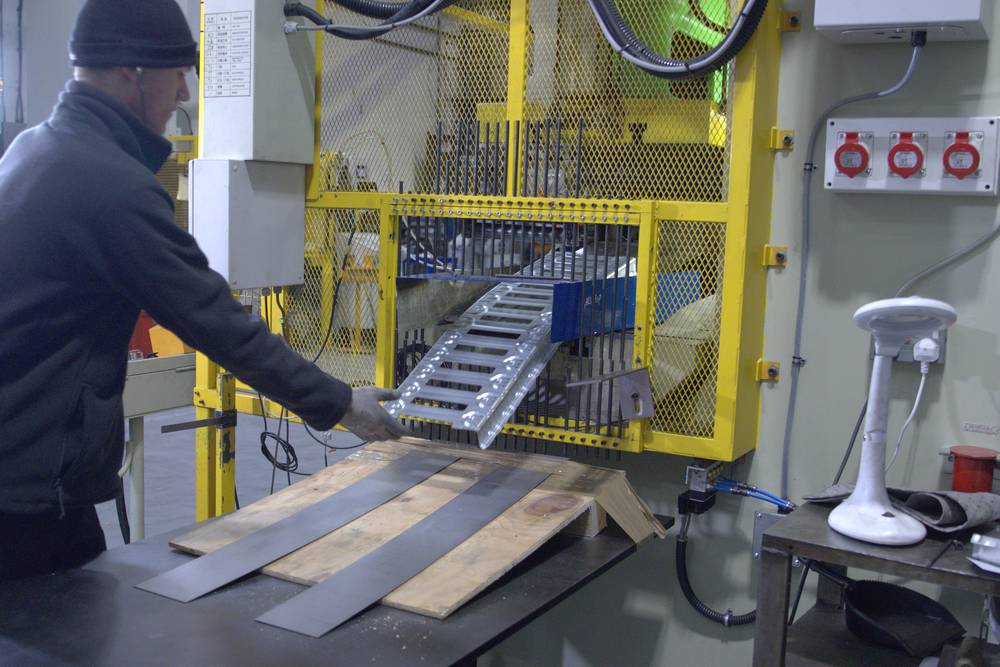
Our West Midlands facility houses an extensive range of presses suitable for single-stage operations, from light-duty applications to heavy forming work. Being family-run means we’re genuinely invested in your project’s success, providing personal attention and responsive communication throughout the manufacturing process.
We’ve built lasting relationships with clients by delivering reliable quality at fair prices—values that have sustained us for over 70 years. Whether you need 500 prototype components or 10,000 production parts, you’ll receive the same commitment to excellence.
Exploring single-stage tooling for your metal pressing needs? Contact Cotmor Tool and Presswork on 01384 482 993 or visit www.cotmor.co.uk to discuss how our flexible single-operation capabilities can support your project efficiently and economically.