
In today’s competitive manufacturing landscape, producing complex metal components quickly, consistently, and cost-effectively can make or break your project’s success. Progressive stamping—also known as progression tooling—offers a sophisticated solution that’s become indispensable for manufacturers requiring high volumes of precision parts. Here at Cotmor Tool and Presswork, we’ve refined this technique over seven decades, helping clients across numerous industries achieve their production goals.
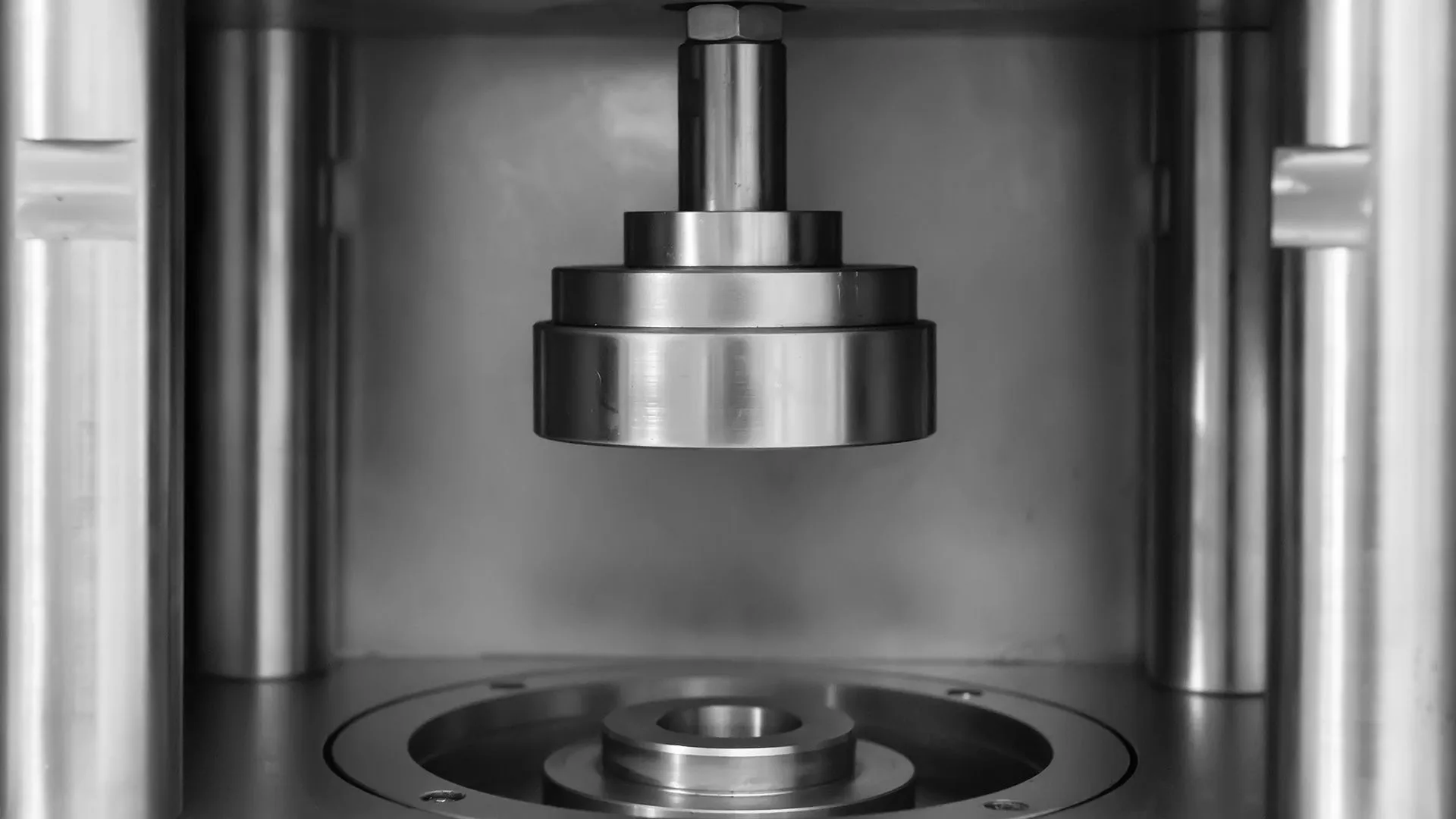
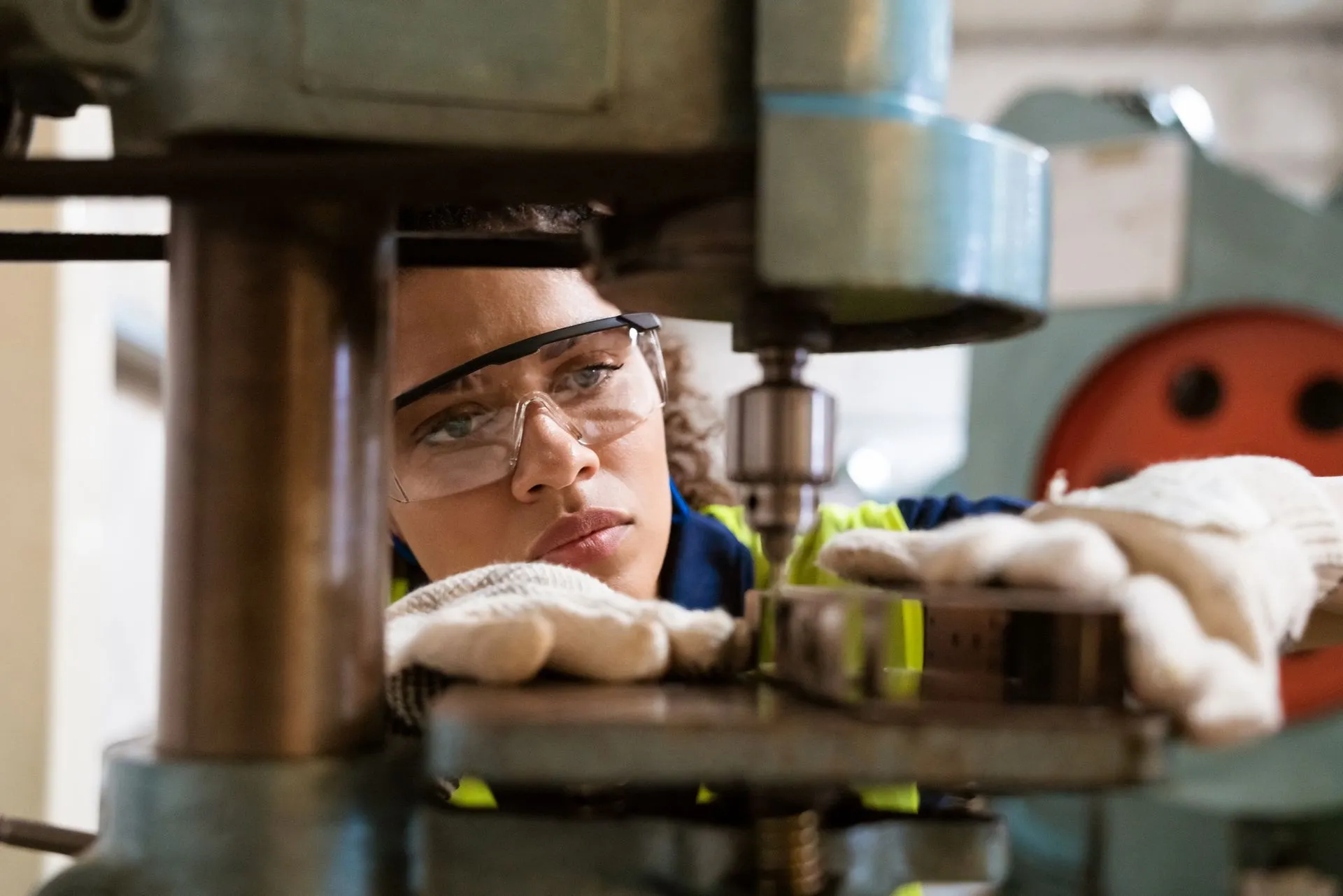
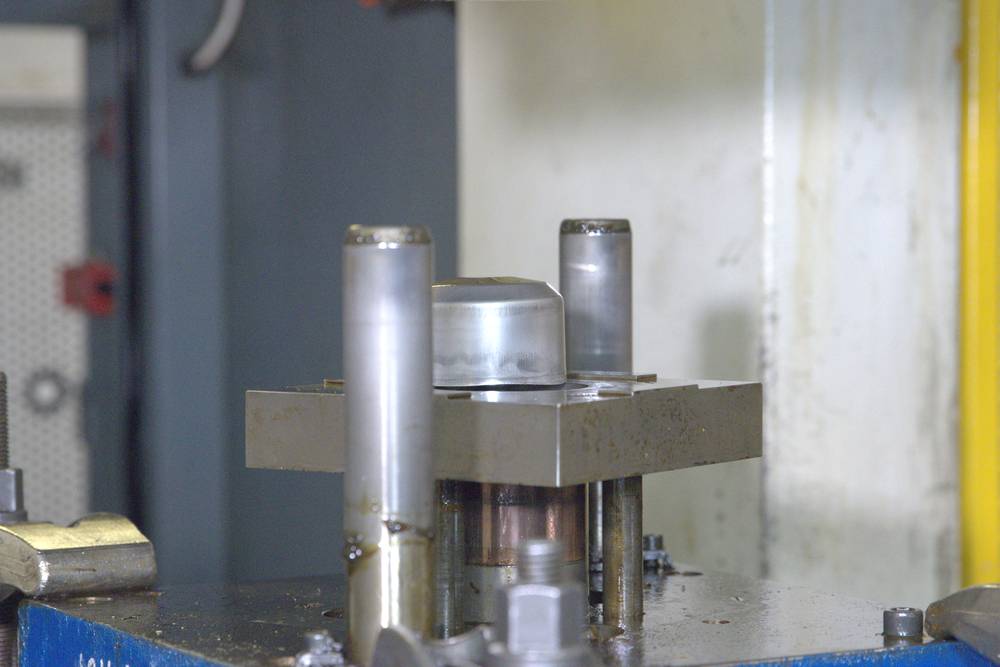
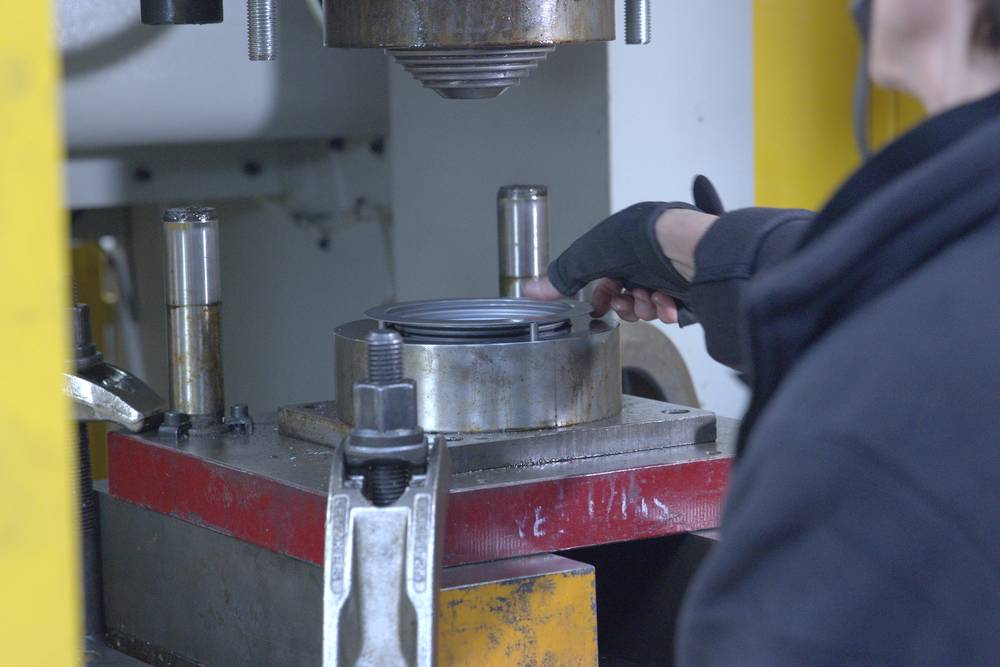
Progressive stamping is an advanced metal forming technique that performs multiple operations on a single piece of sheet metal as it moves through a series of stations within one press. Think of it as an assembly line compressed into a single tool, where each station executes a specific operation—piercing, forming, blanking, coining, or bending—in a precise sequence.
The metal strip, called the “coil stock,” feeds through the progressive die at a predetermined pitch. With each stroke of the press, the component moves from one station to the next, undergoing a new transformation at each step. By the time the metal reaches the final station, a complete component separates from the carrier strip, ready for use or minimal secondary processing.
Unmatched Production Speed
Progressive stamping excels at producing large quantities rapidly. Depending on component complexity, modern progressive dies can produce anywhere from hundreds to thousands of parts per hour. This speed advantage becomes particularly significant when you’re facing tight deadlines or supplying just-in-time manufacturing operations.
Consistent Quality and Repeatability
Once a progressive die is properly set up and validated, it produces virtually identical parts stroke after stroke. This consistency is crucial for components requiring tight tolerances or those that must interface with other parts in an assembly. Our quality control processes ensure that every part meets your specifications, regardless of whether it’s the first piece or the hundred-thousandth.
Reduced Labour Costs
Because multiple operations occur simultaneously within a single press, progressive stamping requires fewer operators and less handling compared to performing each operation separately. This automation reduces labour costs whilst minimising the risk of handling damage or human error.
Material Efficiency
Careful die design optimises the layout of parts on the metal strip, minimising scrap material. Whilst some carrier strip waste is inevitable, skilled tool designers can dramatically reduce material consumption compared to individual stamping operations. For high-volume production, these material savings quickly accumulate into significant cost reductions.
Lower Per-Piece Costs
Although progressive tooling requires substantial upfront investment, the cost per component decreases dramatically as production volumes increase. For runs of tens of thousands or more, progressive stamping typically offers the most economical manufacturing route.
Progressive stamping isn’t suitable for every application, but it’s ideal when several conditions align:
High Production Volumes: The tooling investment is best justified when producing 50,000 pieces or more, though the exact threshold depends on component complexity and material costs.
Complex Components: Parts requiring multiple operations benefit most from progressive tooling. If your component needs piercing, forming, and bending, performing these simultaneously saves considerable time and cost.
Consistent Specifications: Progressive stamping works best when part designs are finalised. Whilst modifications are possible, they can be expensive once tooling is manufactured.
Size Considerations: Components typically range from a few millimetres to approximately 400mm, though specific press capabilities vary.
Our progressive stamping capabilities support diverse sectors including:
Our approach to progressive stamping begins with thorough consultation. We’ll review your component design, production volumes, and timeline requirements to determine whether progressive tooling offers the best solution. Our in-house tool design team uses advanced CAD software to develop optimised die layouts, whilst our experienced toolmakers craft precision progressive dies that deliver reliable performance over millions of cycles.
Being ISO 9001:2015 accredited means we maintain rigorous quality standards throughout the design, tooling, and production phases. Our West Midlands location and established supplier relationships ensure quick turnaround times, whilst our family-run business model guarantees you receive attentive, personalised service.
From prototype development through full production, we’re equipped to support your project at every stage. Our extensive press capacity means we can handle multiple progressive stamping projects simultaneously, maintaining flexibility to accommodate your scheduling needs.
Considering progressive stamping for your component manufacturing? Get in touch with Cotmor Tool and Presswork on 01384 482 993 or visit www.cotmor.co.uk to discuss how our progression tooling expertise can benefit your project.